1. Introduction
Cancer cases continue to rise, with recent reports from the Global Burden of Disease study stating that by 2050, the annual number of new cancer cases in the world is expected to exceed 35 million with potentially 18.6 million deaths. Current treatments are limited by four primary problems: imprecise targeting, systemic toxicity, drug resistance, and high recurrence rates.
Current precision medicine holds promising with several treatment strategies, such as antibody-drug conjugates (ADCs), cytokines, immune cell engagers, DNA vaccines, and cell therapy. Cell therapy is the most prominent due to its high specificity, persistence, and inducible immune memory. To better understand cell therapy, it's helpful to examine its historical development.
The first case of cell therapy occurred in the 19th century, when a scientist attempted to use animal testicular extracts to combat aging. In 1956, cell therapy was modernized with the first successful syngeneic bone marrow transplant between identical twins. Then, in 1985, the first use of the lymphokine-activated killer (LAK) cells created entry of adoptive cell therapy (ACT) in clinical research. The breakthrough of chimeric antigen receptor T (CAR-T) cell therapy at the end of the 20th century is the current culmination of scientific research. The first FDA-approved CAR-T cell therapy, tisagenlecleucel (Kymriah), in 2017 marked the start of widespread cell therapy research and industrial development. CAR-T cell therapy is currently extending to solid tumors and intelligent control systems such as bispecific CARs and switchable CARs. Last note: cell therapies are becoming increasingly diverse, not limited to T cell therapies but also macrophages, dendritic cells (DCs), B cells, NK cells, and stem cells.
2. Cell Therapies
2.1 T Cell Therapies
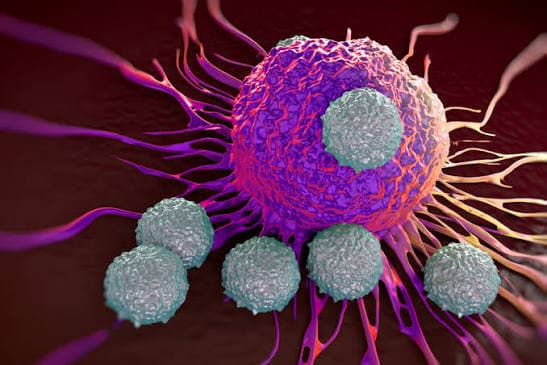
T cells are the natural hunters of the immune system, but cancer cells are notoriously good at hiding from them by disguising themselves as normal, healthy tissue. CAR-T cell therapy solves this problem by giving T cells a synthetic, laboratory-designed GPS upgrade called a Chimeric Antigen Receptor, or CAR.
To create these living medicines, doctors collect T cells from a patient's blood, take them to a laboratory, and insert a new gene that carries the instructions for building the CAR. Once the T cells start constructing this artificial receptor on their outer surface, they are multiplied by the millions and infused back into the patient's bloodstream to hunt down tumors.
A Chimeric Antigen Receptor is built from three distinct modular parts that span from the outside of the cell to the inside, working together like a sophisticated tracking and weapons system. The outermost piece is the extracellular domain, which acts as the tracking GPS. Made from a specialized antibody fragment called an scFv, this external tracking device scans the bloodstream and locks onto specific target proteins, known as antigens, that float on the surface of cancer cells, such as the CD19 protein found on B-cell leukemias.
Connecting this outer GPS to the inside of the cell is the transmembrane and hinge domain. This flexible connector anchors the artificial receptor securely into the T cell's outer membrane, giving the tracking unit enough flexibility to pivot, reach, and attach to cancer cells from different angles.
Sitting completely inside the cell is the intracellular signaling domain, which acts as the engine. Once the outer GPS docks onto a tumor, this internal engine triggers the attack order using a primary activation protein chain called CD3ζ, combined with extra costimulatory boosters like CD28 or 4-1BB to keep the T cell energized and multiplying.
Over the last few decades, scientists have continuously upgraded the internal signaling engine of these receptors across five distinct generations to make them live longer and fight harder. First-generation CARs contained only the primary CD3ζ engine, but without extra support, the cells quickly ran out of energy and died in early clinical trials. To fix this, researchers developed second-generation CARs by adding one costimulatory module, which dramatically boosted cell survival and became the standard design for today's FDA-approved therapies. Third-generation receptors built upon this success by combining two costimulatory modules to further prevent T-cell exhaustion and extend their lifespan in the body.
More recently, science has moved into even more sophisticated biological engineering. Fourth-generation therapies, often called "TRUCKs," are engineered to release immune-boosting chemicals like IL-12 upon activation, allowing them to break down the hostile defenses surrounding complex tumors. The latest fifth-generation designs integrate specialized cytokine receptors that trigger self-renewal pathways within the cell. This upgrade acts like a fountain of youth, keeping the engineered T cells active and vigilant inside the body for extended periods.
CAR-T therapy has achieved remarkable clinical success in treating blood cancers, formally known as hematologic malignancies, including acute lymphoblastic leukemia, diffuse large B-cell lymphoma, and multiple myeloma. For many patients who had exhausted all conventional treatment options, these engineered cells have delivered long-term remissions and functional cures. Despite these triumphs, researchers are currently working to overcome significant hurdles to expand the reach of this technology to other types of cancer.
One major frontier is conquering solid tumors, such as brain, lung, and pancreatic cancers. Unlike blood cancers, solid tumors protect themselves with dense physical barriers and secrete toxic chemicals that disarm incoming T cells. To counter this, scientists are deploying fourth- and fifth-generation CAR-T cells specifically designed to survive these harsh environments and break through tumor defenses.
Another major goal is transitioning from laboratory manufacturing to in vivo engineering. Currently, producing CAR-T cells in a lab takes several weeks and involves a complex, expensive process. Newer research focuses on using microscopic delivery vehicles like lipid nanoparticles or mRNA to inject genetic instructions directly into a patient's bloodstream. This allows the body to reprogram its own T cells internally, potentially turning a multi-week lab ordeal into an accessible, off-the-shelf treatment.
3. Conclusion
CAR-T cell therapy stands as one of the most transformative breakthroughs in modern cancer care. By combining the natural killing power of human T cells with the precision of synthetic genetic engineering, medicine has moved beyond passive drugs to intelligent, self-amplifying therapies. As researchers master advanced receptor designs and rapid manufacturing techniques, CAR-T therapy is poised to expand from a specialized cure for blood cancers into a powerful front-line defense against many forms of oncology.