Introduction:
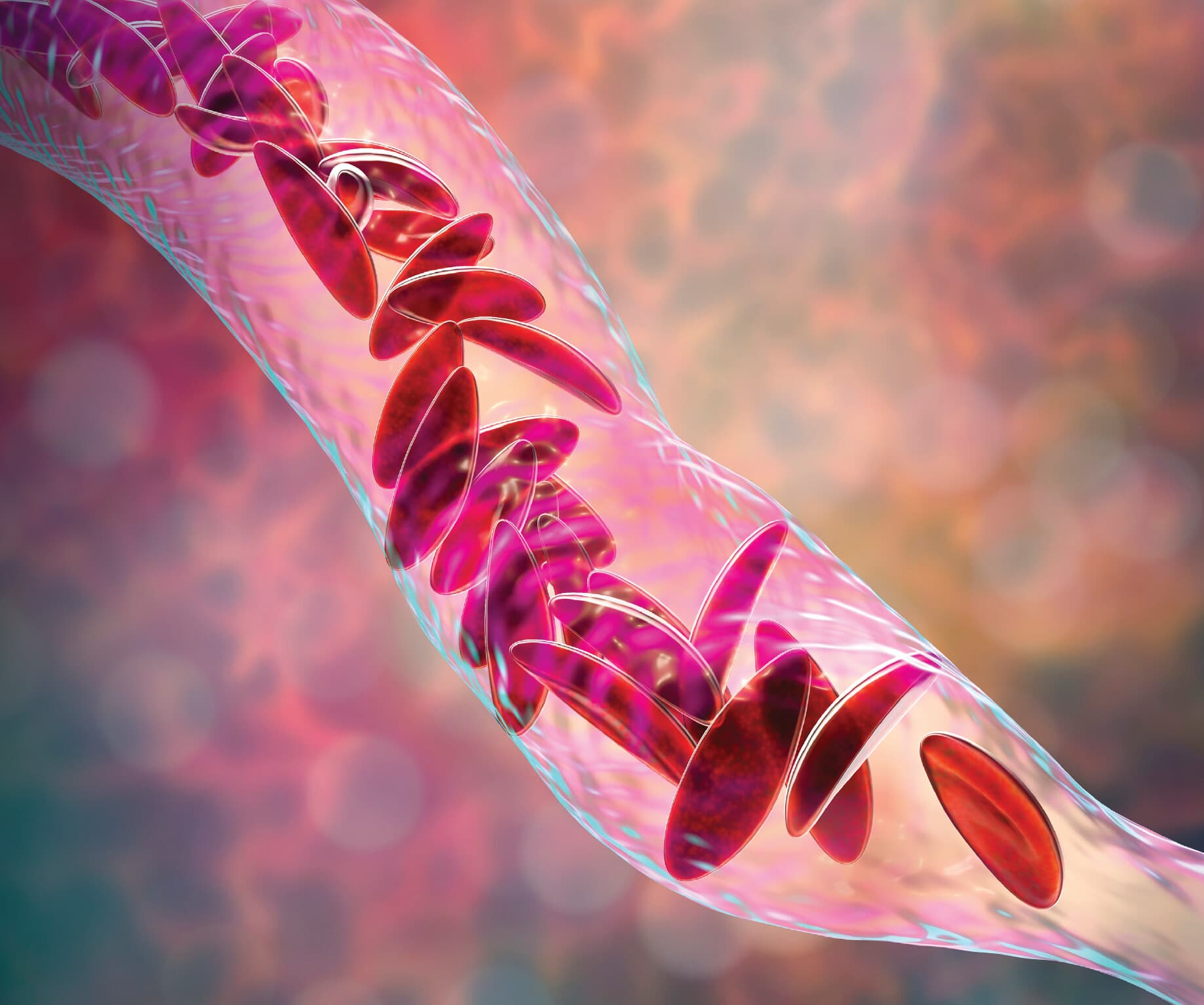
Sickle cell disease is an inherited blood disorder caused by a change in the gene responsible for producing hemoglobin, the protein in red blood cells that carries oxygen throughout the body. This change can cause normally round and flexible red blood cells to become stiff and shaped like a sickle. These abnormal cells can block small blood vessels and prevent oxygen from reaching tissues, causing extremely painful episodes known as vaso-occlusive crises (VOCs). People with severe sickle cell disease may experience these attacks repeatedly throughout their lives and often require hospitalization.
The study investigated whether CRISPR-Cas9 gene editing could provide a long-lasting treatment for sickle cell disease. Interestingly, the researchers did not directly repair the mutation that causes sickle cell disease. Instead, they edited a genetic control region called BCL11A, which normally reduces production of fetal hemoglobin (HbF) after birth. Fetal hemoglobin is the form of hemoglobin we primarily use before birth, but higher levels of it can prevent red blood cells from sickling. By using CRISPR to reduce the effect of BCL11A, researchers attempted to “switch fetal hemoglobin back on” and protect patients from painful sickle-cell attacks.
Methods:
The researchers conducted a Phase 3 clinical trial involving people between 12 and 35 years old who had severe sickle cell disease. To qualify, participants had experienced at least two severe vaso-occlusive crises per year during each of the previous two years. A total of 44 patients eventually received the CRISPR-based treatment, including 12 patients who were 12–17 years old, making the study particularly relevant to teenagers.
Researchers first collected each patient's own blood-forming stem cells. Instead of editing the person's DNA while the cells were still inside their body, the scientists removed these cells and edited them in a laboratory using CRISPR-Cas9. CRISPR was directed toward a regulatory region of the BCL11A gene, reducing its ability to shut down fetal hemoglobin production. The edited cells are known as exagamglogene autotemcel (exa-cel).
Before receiving their edited cells, patients were treated with a chemotherapy drug called busulfan. This treatment removed many of their existing blood-forming cells, creating room in the bone marrow for the CRISPR-edited stem cells. The edited cells were then returned to the patient's bloodstream, where researchers hoped they would establish themselves in the bone marrow and begin continuously producing blood cells containing higher levels of fetal hemoglobin.
The researchers primarily wanted to determine whether patients could remain free from severe vaso-occlusive crises for at least 12 consecutive months. They also examined whether patients avoided hospitalization for these attacks and measured changes in fetal hemoglobin levels and treatment-related side effects.
Results:
The results showed a dramatic reduction in sickle-cell attacks following CRISPR treatment. Of the 30 patients who had been followed long enough to evaluate the main outcome, 29 patients experienced no severe vaso-occlusive crises for at least 12 consecutive months. Even more notably, all 30 patients (100%) avoided hospitalization for severe vaso-occlusive crises for at least 12 consecutive months. Before treatment, patients in the overall study had experienced an average of approximately 4.1 severe crises per year.
Researchers also found evidence explaining why the treatment worked. Before treatment, fetal hemoglobin made up an average of only about 5.4% of patients' total hemoglobin. Three months after receiving the edited cells, fetal hemoglobin increased to approximately 36.9%, and by six months it reached approximately 43.9%. Fetal hemoglobin generally remained at 40% or higher throughout later follow-up, suggesting that the CRISPR-edited stem cells continued producing the protective form of hemoglobin over time.
The treatment was not without risks. Because patients underwent powerful chemotherapy before receiving their edited cells, 95% experienced at least one serious Grade 3 or Grade 4 adverse event. Common problems included inflammation and sores in the mouth, fever associated with very low white blood cell levels, low platelet counts, and decreased appetite. However, the researchers reported that these side effects were generally consistent with what is expected from the chemotherapy and stem-cell-transplantation process. No cancers or failures of the transplanted cells were observed during the study period.
Conclusion:
The study demonstrates how CRISPR can potentially treat a genetic disease without necessarily correcting the original disease-causing mutation. Instead of repairing the sickle-cell mutation itself, researchers used CRISPR to reactivate fetal hemoglobin—essentially turning back on a protective biological system that is normally switched off shortly after birth. Following treatment, 97% of the evaluated patients went at least one year without a severe sickle-cell crisis, while all avoided hospitalization from such crises for at least one year.
The study provides powerful evidence that a one-time CRISPR-edited cell treatment can dramatically reduce symptoms of severe sickle cell disease, including in adolescents. However, the procedure remains medically intensive because patients must have stem cells collected, undergo chemotherapy, and receive their edited cells back through transplantation. Additionally, because the study included a relatively small number of patients and had a median follow-up of 19.3 months, continued research is necessary to determine how safe and effective the treatment remains over many years.