Introduction
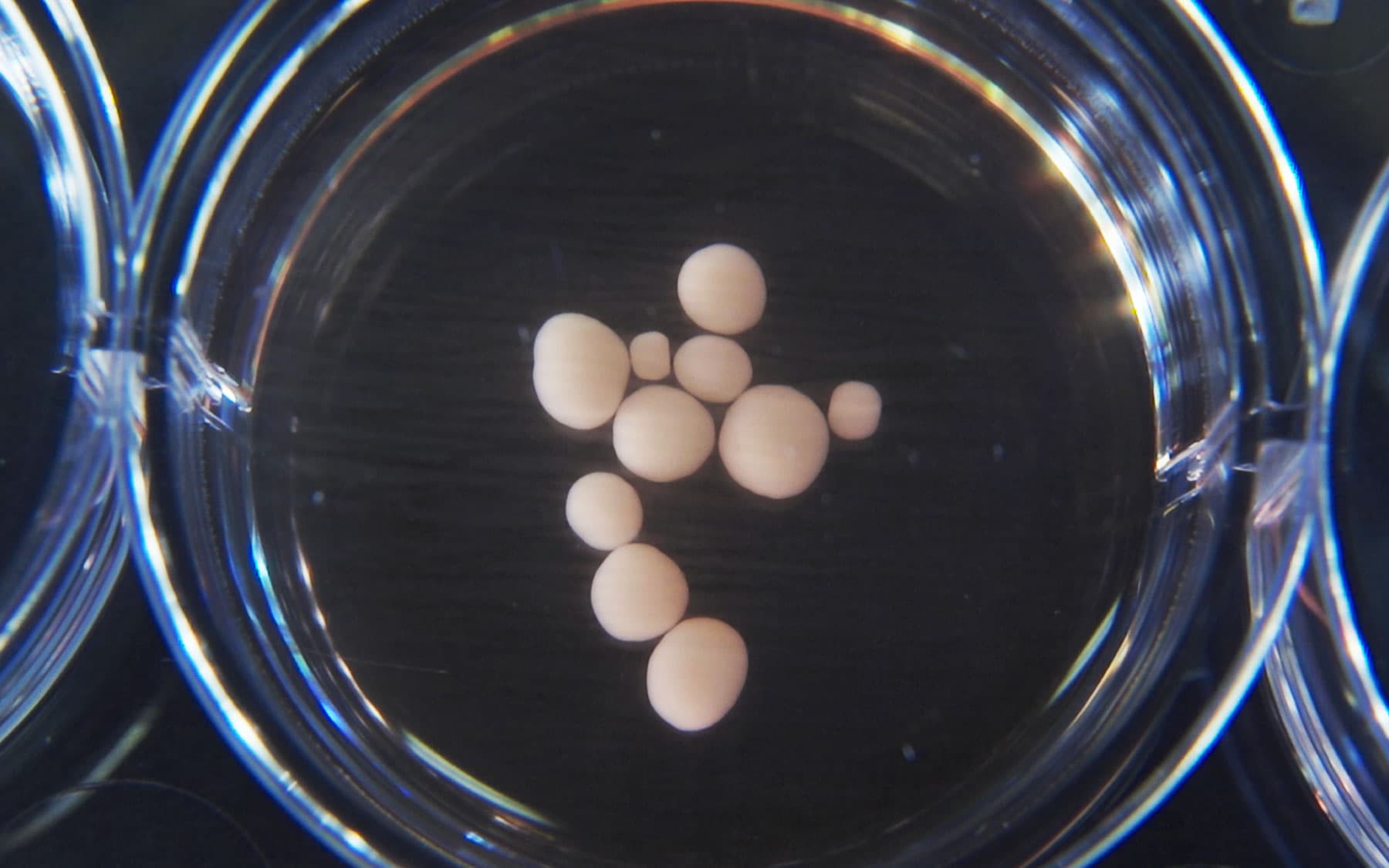
Testing has been a constant ethical issue for researchers throughout the years, from testing on mice all the way up to monkeys. However, a new possible way of testing brings up a new ethical challenge. Brain organoids are small circular structures that are made of actual human brain cells. They are made from human pluripotent stem cells, which divide and self-organize to form a 3D brain-like structure that mimics brain development and function. Scientists use these brain organoids to study how the human brain works in a way that cannot be replicated using animal brains. However, the use of brain organoids raises complex questions regarding where we should draw the line.
Discussion
Because brain organoid research is so new, not many guidelines have been set in place to address these ethical dilemmas as the field of biology changes. People are also concerned that there could be possible unintended consequences that could be potentially dangerous to people's health and the environment.
Brain organoids give us a better insight into our own brain cells in a more plausible way. Because these stem cells can be created from skin, blood, and other tissues, we don't have to physically remove brain cells from humans. In addition to these noninvasive procedures, we still get the benefit of studying them without losing much data because the cells in brain organoids and our own brains are the same.
In addition, brain organoids can help us how understand neurological disorders or diseases affect our brains. With new information like this, medicine will rapidly improve, and rare test cases could be simulated using brain organoids. In the case of personalized medicine, the situation becomes more ambiguous. If each medicine was personalized, there would be no way for scientists to test if it has any side effects or is safe to use because it would only be meant for one person. Although it could more accurately pinpoint the problem and tailor medicines person to person, it's still unclear whether the benefits outweigh the risks.
The use of brain organoids also reduces the need for animal testing because we can test with lab-grown brain cells. However, it is difficult to keep them functioning optimally for long periods of time. As a result, some scientists transplant the organoids into the brains of living rodents, which provide a better-suited environment for the cells to live in. This method successfully allowed for the study of the pathogenesis of neurodevelopmental, neuropsychiatric, and neurodegenerative disorders. Many scientists are concerned that this may be crossing the line because this involves human-to-animal chimerism, which forces foreign human tissue into an animal brain. As a result, human-to-animal chimerism in research is strictly monitored and reviewed with animal welfare principles in mind.
Many people fear that we could accidentally produce consciousness within the cells, despite the fact that there has been no evidence to support that, and sentience is being closely monitored. It is also extremely difficult to identify consciousness, and the term "consciousness" itself is ambiguous. In reality, it's unlikely for brain organoids to develop any form of consciousness because they are too simple to form the complex networks that our brains have.
Conclusion
To summarize, researchers are working together with ethicists, lawyers, patient advocates, and more to discuss how to handle issues regarding brain organoids and are trying to define what steps are sound and what are not. Biotechnology is rapidly advancing, and brain organoids are one of the frontrunners, so discussions about the ethical obligations behind the research must remain in step with it.