
Introduction
The phenomenon of a reduction in sleep duration is very commonly seen in recent generations of children. The purpose of this study is to investigate how insufficient sleep has impacted adolescents in the process of neuroconitive development, effecting their mental health, cognition, brain function and structure over the course of two years.
Methods
The study is based on large-scale data from the ongoing Adolescent Brain Cognitive Development study, including more than 8,000 eligible participants aged 9 to 10 years. These participants were separated into two groups, the sufficient sleep (SS) group and the insufficient sleep group (IS), based on a cutoff of 9 hours of sleep.
Using propensity score matching (PSM), the researchers matched pairs from these two groups of participants based on key covariates, such as sex, socioeconomic status, puberty status, etc. Measurements of this study include behavioral problems, mental health, cognition, structure, and resting-state functional brain measures, all accessed at baseline and after two years since the start of the experiment.
Results and Limitations
Results:
There is a total of 3,021 matched SS-IS pairs at baseline and 749 pairs at the end of the two-year course. Similar SS-IS differences in behavior and neural measures at both points in time are detected.
These results suggest that insufficient sleep is directly linked with impaired neurocognitive development. The researchers found that cortico-basal ganglia functional connections mediate the effects of insufficient sleep on depression, thought problems, and crystallized intelligence, etc.
Insufficient sleep was associated with small but significant differences in volume across brain regions at both the start of the experiment and the end of the follow-up. However, no significant differences were found in cortical thickness or white matter integrity, which suggests that gray matter volume is more sensitive to insufficient sleep.
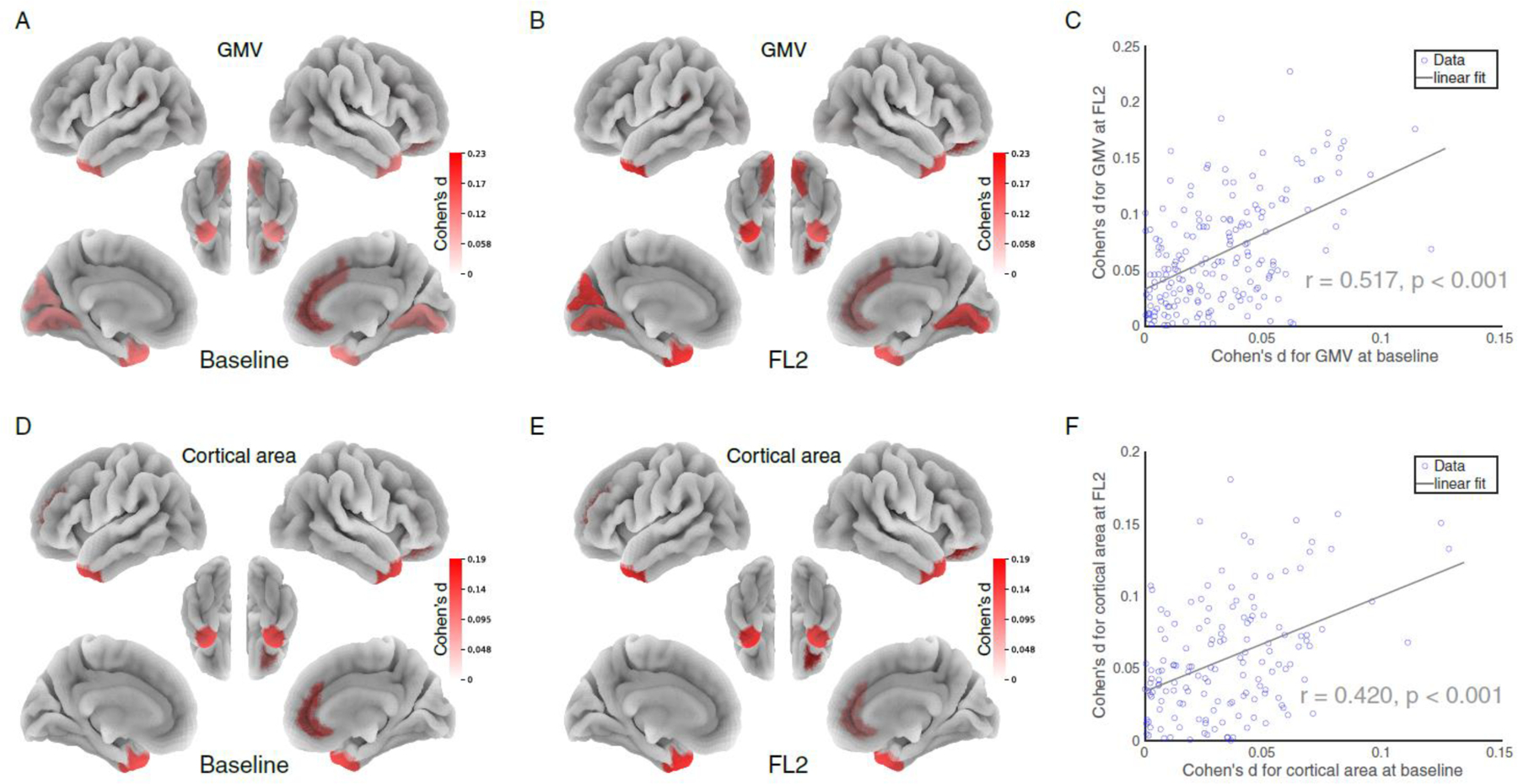
Figure 1: The effects of insufficient sleep on brain structural measurements.
Limitations:
Limitations include that the PSM could only control for observed covariates, leaving unobserved variances that may influence the selection of matched pairs. There may also be a series of additional factors that potentially played a role in the varying results.
Conclusion
This study shows that long-term insufficient sleep does have a significant effect on neurocognitive development in early adolescence. Findings include that the corico-basal ganglia connections play an important role in mediating the effect of insufficient sleep on affective functions, and that the anterior temporal lobe's structure may contribute to the effect of insufficient sleep on crystallized intelligence. These outcomes further highlight the importance of sleep duration at young ages to improve long-term neurocognitive development results.