Introduction
The sense of smell (olfactory sense) and memory are more tightly linked than most realize. One inhale of a familiar odor can evoke a memory from ten years ago in just an instant. This link is even more pronounced in aging, as the loss of olfactory function is one of the first symptoms of Alzheimer's disease, preceding detectable memory loss by several years. As the nose and memory decline hand-in-hand, researchers wondered whether the relationship might go the other way, and whether training olfaction could actually enhance and preserve memory.
Methods
53 adults, around 73 years old, experiencing subjective decline in memory (reporting memory problems but otherwise free of cognitive dysfunction) were enrolled and recruited into the experiment. The subjects were assigned to one of two kinds of daily cognitive training sessions (olfactory memory, practicing recalling learned scents, or a comparative memory task with vision) in a 2:1 ratio for 20 days. These subjects were tested 3 times: before, immediately following the experiment, and one month later, to analyze olfactory functions, general intelligence, as well as memory performance.
Results
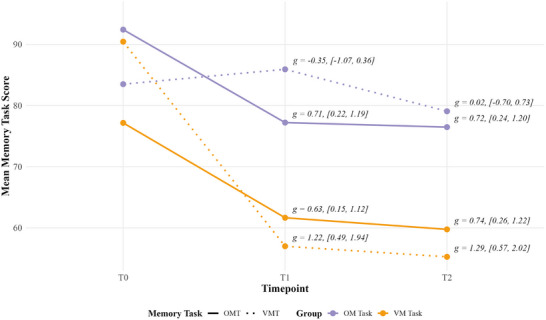
One significant result that the scientists discovered was the improvement from certain smelling training. Depending on both the group a patient was in and the kind of memory they practiced, each training program strengthened a specific kind of memory. The effect survived for a month, and in short, smelling can enhance memory just as much as visual memory. This is interesting because smell loss is known to be an early symptom of dementia, but almost nobody has developed any kind of brain training programs related to the sense of smell, which is simple, easy to do, and cost-free. In the end, it should be said that the effects were moderate, limited to practicing memory, and the sample size was modest.
Conclusion
This study doesn't conclude that sniffing exercises can delay dementia. The experiment was small and pilot, with the improvements being slight. However, as a proof-of-concept, it was a novel idea: an overlooked sense, used as a tool to help older people to sustain memory. It makes you realize that safeguarding the brain might one day mean honing senses we don't bother to train.