Introduction
Music therapy is a process of planned intervention where the patient seeks to improve their health with the help of therapists using music experiences and relationships formed through them. It aims to maintain and restore the patients' physical, emotional, and mental health. The process is increasingly common in treating psychosocial and physiological diseases.
In this period of rapidly growing music therapy trials, it is crucial to ask in which diagnostic groups show evidence of benefits from. This review aims to provide evidence for the reimbursement of different music therapeutic approaches for five groups including autism spectrum disorder, dementia, depression, insomnia, and schizophrenia.
Methods
First a systematic literature search was conducted using databases such as Embase, INAHTA, and The Cochrane Library. Of the 786 citations identified in this search, 139 were selected for further analysis. Then, a second literature search was conducted to identify the type of trials, helping provide more information about the data and direction of studies.
Then, the references were screened by researchers to evaluate their quality and risk of bias using the Cochrane Collaboration's tool and the RoB Non-randomized Studies of Interventions' tool. After that, the data and outcomes were extracted by one researcher and examined for completeness and correctness by another.
Results and Limitations
Results:
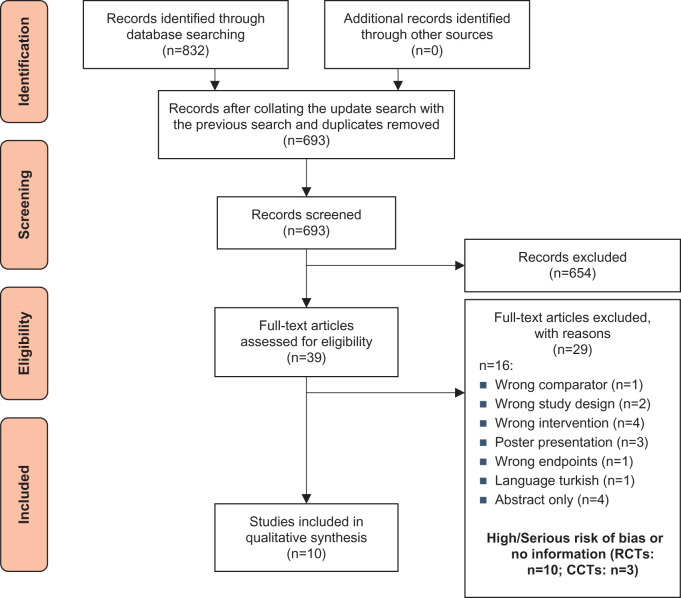
Figure 1. Study selection (PRISMA flow diagram)
For the autism spectrum disorder group, music therapy interventions positively impacted social interaction, adaptation, and emotional responses. Initiated behaviors and verbal communication skills improved due to the treatment, but not non-verbal skills. Many also reported the positive impact on parent-child relationships. However, symptom severity did not improve differently after music therapy interventions. Though brain connectivity, family quality of life, and social communication skills improved after 8-12 weeks, there was a lack of effects on receptive vocabulary.
For dementia, cognition improved after active music therapy, while using mixed approaches did not significantly affect cognition. Behavioral and psychological symptoms improved as well. Apathy and communication significantly improved after about 12 weeks of treatment. Physical function and mood on the Cornell Scale significantly improved in patients, while mood did not improve according to the Yesavage Geriatric Depression Scale.
As for depression, music therapy positively affected anxiety and patient-reported depressive symptoms. No significant effects were found when comparing the treatment outcome compared with psychological therapies, however. In women with depression, music therapy significantly reduced depression and increased happiness.
Patients in the group with insomnia had enhanced sleep quality following music listening according to the Cochrane review. Objective sleep measured after or during music therapy showed inconsistencies in the data, but overall improvement was observed. After 2 weeks, stress and anxiety significantly improved, and disease severity decreased.
Lastly, in patients with schizophrenia, music therapy appeared to improve social functioning and mental states. However, the research team did not find any studies that met the literature test. Thus, no results for schizophrenia were included in the review.
Limitations:
The results reported in this update need to be read with caution since no study of high quality was found and included. Therefore, these findings may not be as reliable. There is also an implied loss of more detailed qualitative information in the findings. However, despite slight inconsistencies, the results provide a valid representation of the effectiveness of music therapy in the five patient groups.
Conclusion
Overall, this review suggests that music therapy may be beneficial for patients with ASD, dementia, depression, insomnia, and schizophrenia. Currently, it is a safe method that may lead to improvements in physical, psychological and social aspects for the patients. The search showed the potential of active music therapy methods. High-quality research on the long-term effects of music therapy and follow-up clinical trials are needed in the future.