Introduction
Strokes are a common type of cerebrovascular disease, occurring when blood flow in an artery to the brain is blocked. Consequently, blood concentration accumulates in a blockage called the embolus or thrombus, which causes immense pressure and depletes many brain cells due to the lack of oxygen. The research article focuses on posterior circulation strokes, which affect areas supplied by the vertebral, basilar, and cerebellar arteries. These arteries are vital for the regulation of the human body’s balance, vision, coordination, eye movements, speech, and even consciousness. The paper aimed to explore how the location of the stroke and the shape of the blocked artery shape a person’s symptoms and brain scan findings. The researchers also explain why these strokes can be harder to detect than anterior circulation strokes, especially on early CT scans.
Methods
To analyze results, researchers compiled earlier studies about stroke syndromes (groups of symptoms), blood vessel anatomy, stroke patterns seen on imaging, and autopsy findings. Specifically, accessing neuroradiology examples from the Acute Stroke Registry and Analysis of Lausanne (ASTRAL), and including anatomical drawings to show where different posterior circulation strokes occur. The authors compared the stroke’s location, the blocked artery, the symptoms patients showed, and what CT or MRI scans revealed. They also discussed prognosis (expected outcome) and the role of imaging tools like DWI and angiographic sequences (imaging that shows blood vessels).
Results
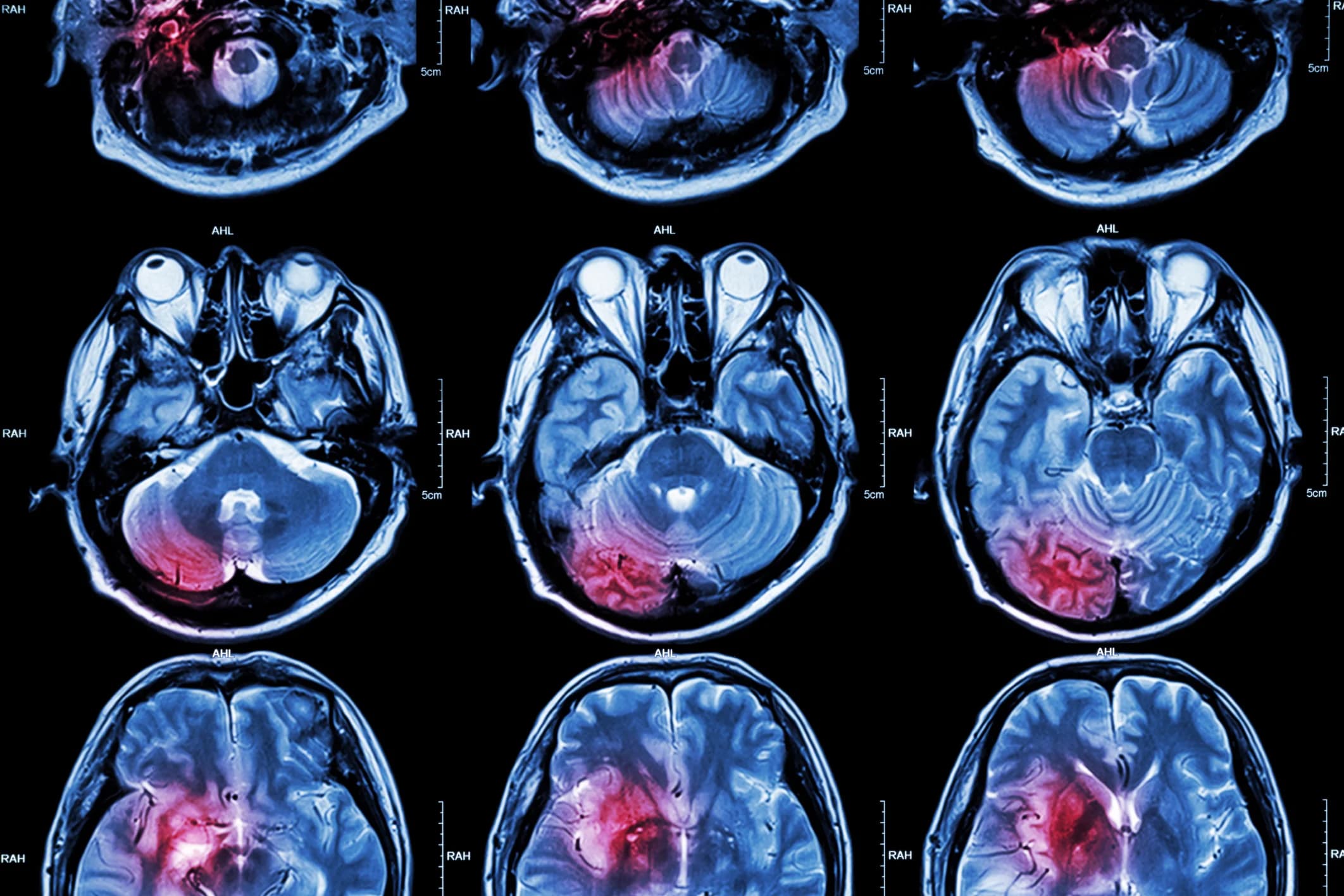
The main finding was that posterior circulation stroke symptoms closely match where the stroke happens and which artery is blocked. However, in closer detail, some signs are especially linked to these strokes, including eye movement problems, vertigo, nausea, unsteady walking, gaze palsy, and crossed syndromes. Vertebral artery strokes often cause Wallenberg syndrome, while basilar artery occlusions can be much more severe and may even lead to locked-in syndrome, where a person is awake but cannot move much of the body. Cerebellar strokes most often cause dizziness, vomiting, gait problems, and subtle signs like ataxia (poor coordination), while posterior cerebral artery strokes commonly cause visual field loss and sometimes cognitive or sensory problems. The article also found that up to 40% of posterior cerebral artery strokes happen along with other infarcts (areas of damaged tissue) elsewhere in the posterior circulation. Prognosis differed by stroke type, but basilar artery occlusions stood out as especially dangerous unless blood flow was restored quickly. The review also showed that MRI is much better than CT for finding these strokes, although even early MRI can sometimes miss small brainstem strokes.
Limitations
One limitation is that this was a review article, so it summarizes earlier research instead of testing one treatment in one controlled study. Another limitation is that posterior circulation strokes have been underrepresented in randomized trials, so some treatment questions are still not fully answered. The paper also notes that even DWI MRI can be negative early on, especially in brainstem strokes, which makes both diagnosis and research more difficult. Finally, some radiology scoring systems still need better validation (testing in new patient groups) before they can be fully trusted in all settings.
Conclusion
The study suggests that posterior circulation strokes are strongly shaped by stroke location and arterial occlusion pattern. Even though some features of anterior circulation strokes are shared, they differ in symptoms, stroke mechanism, prognosis, and treatment response. In a broader picture, people with these strokes may come in contact with dizziness, eye problems, balance trouble, or confusion instead of the better-known warning signs of stroke.
Regarding diagnosis, MRI is widely accepted by doctors who suspect a posterior circulation stroke, since CT scans can miss lesions more easily. However, research is still needed to improve treatment decisions and better understand which patients will benefit most from rapid vessel-opening therapies. In the real world, that could help doctors diagnose these strokes faster and improve recovery for patients with these often-overlooked brain injuries.