
Introduction
It feels like there's nothing wrong with ordering dinner on an app. You're tired, the school canteen is crowded, and after a few taps, your food arrives. However, a recent study from Kolkata researched the effects of using food delivery apps consistently, using a unique group for its study: postgraduate students of public health. These are the very people training to advise the rest of us on healthy living, making them a revealing test case.
Methods
The researchers surveyed 106 students about their food app usage and measured each student's BMI. They then interviewed 10 students who used apps the most frequently in order to explore the reasoning behind their habits.
Results
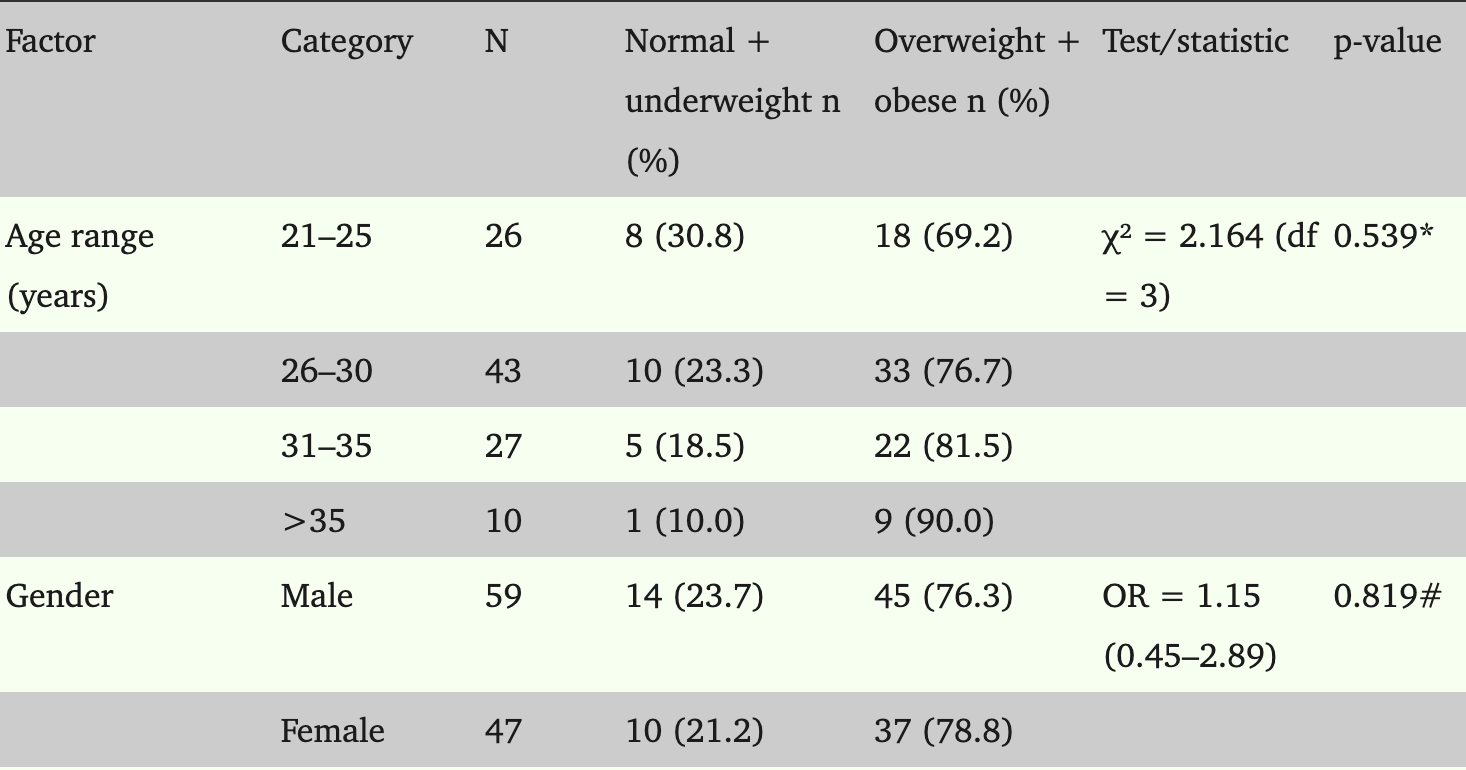
Researchers first noticed the prevalence of overweight and obesity among participants, in which around three-quarters of participants of any age or gender were overweight. After performing statistical tests to see whether these differences in prevalence were significant, they found no statistically significant difference, all p-values far exceeding 0.05, and thus the researchers couldn’t conclude a link between the two factors and weight at all.
Food delivery apps were pervasive, and 84% of students turned to using them. Among the study participants as a whole, about 77% were either overweight or obese, and of those who were heaviest app users, 46% were obese versus 31% among lighter users. Surprisingly, knowledge about healthy eating didn't make much of a difference. 83% said they were aware of their orders’ poor nutritional content, and 74% stated that apps facilitated overconsumption, and yet they continued to use them.
The interviewees revealed that convenience, appealing discounts, feelings of loneliness that make it difficult to face a crowded cafeteria, and stress eating were the top reasons behind their habits. For about half of the participants, ordering food served as a small comfort on a bad day.
Conclusion
Not even aspiring public health professionals were entirely immune to a good deal. Understanding nutrition and eating in line with those ideals can be two very different things. However, the study has some notable limitations: it took place in just one institution, relied on participants’ accounts of their behaviors, and cannot definitively prove a causal link between food app use and weight gain, although it certainly points to a correlation. As these apps become a fixed part of student life, the real challenge isn't knowing better, but building the habits and support that make the easy choice a healthier one.