Introduction
When people think about diabetes, one of the first things that comes to mind is blood sugar. People with diabetes often check their glucose levels to keep track of what is happening in their bodies. However, glucose is not the only substance that is important for controlling blood sugar. Insulin also plays a major role.
Insulin is a hormone that helps the body move sugar from the blood into cells, where it can be used for energy. People with certain types of diabetes may not produce enough insulin, while others may not respond to insulin properly. Doctors can measure insulin with a blood test, but this requires a blood sample to be collected and analyzed.
Researchers are now looking for ways to make insulin monitoring easier. One possible solution is a small wearable sensor that uses tiny needles to reach the fluid underneath the skin. This fluid, called interstitial fluid, contains substances that can provide information about what is happening inside the body.
This raises an interesting question: could a small patch eventually measure insulin without requiring a traditional blood test?
Methods
To investigate this idea, researchers developed a wearable sensor that uses a group of very small needles called a microneedle array. The needles are designed to reach the interstitial fluid just below the surface of the skin.
The researchers coated the microneedles with gold and added a special material called an aptamer. The aptamer was designed to recognize insulin. When insulin interacted with the sensor, it caused a change in an electrical signal. By measuring this change, the researchers could determine how much insulin was present.
The sensor was first tested in artificial interstitial fluid in a laboratory. The researchers then tested the microneedles using mouse skin to determine whether they could collect and detect insulin from the fluid underneath the skin. Finally, they tested the sensor on live mice to see whether it could detect insulin inside a living body.

Fig. 1. Basic design of the wearable microneedle sensor. The figure shows how the tiny needles reach the fluid underneath the skin and how the sensor detects insulin.
Results and Limitations
Results:
The researchers found that the sensor was able to detect insulin in artificial interstitial fluid. It responded to different insulin concentrations, including levels that represented both normal and abnormal amounts of insulin.
The researchers also found that the microneedles could collect insulin from mouse skin while producing a measurable electrical signal. This showed that the basic design could work outside of a simple laboratory solution.
The sensor was then tested on live mice. The microneedles were able to reach the interstitial fluid and collect information about insulin levels. The researchers found that the measurements could be used to estimate insulin levels in both the blood and the fluid underneath the skin.
These findings suggest that a small wearable sensor could potentially provide a way to measure insulin without taking a traditional blood sample.
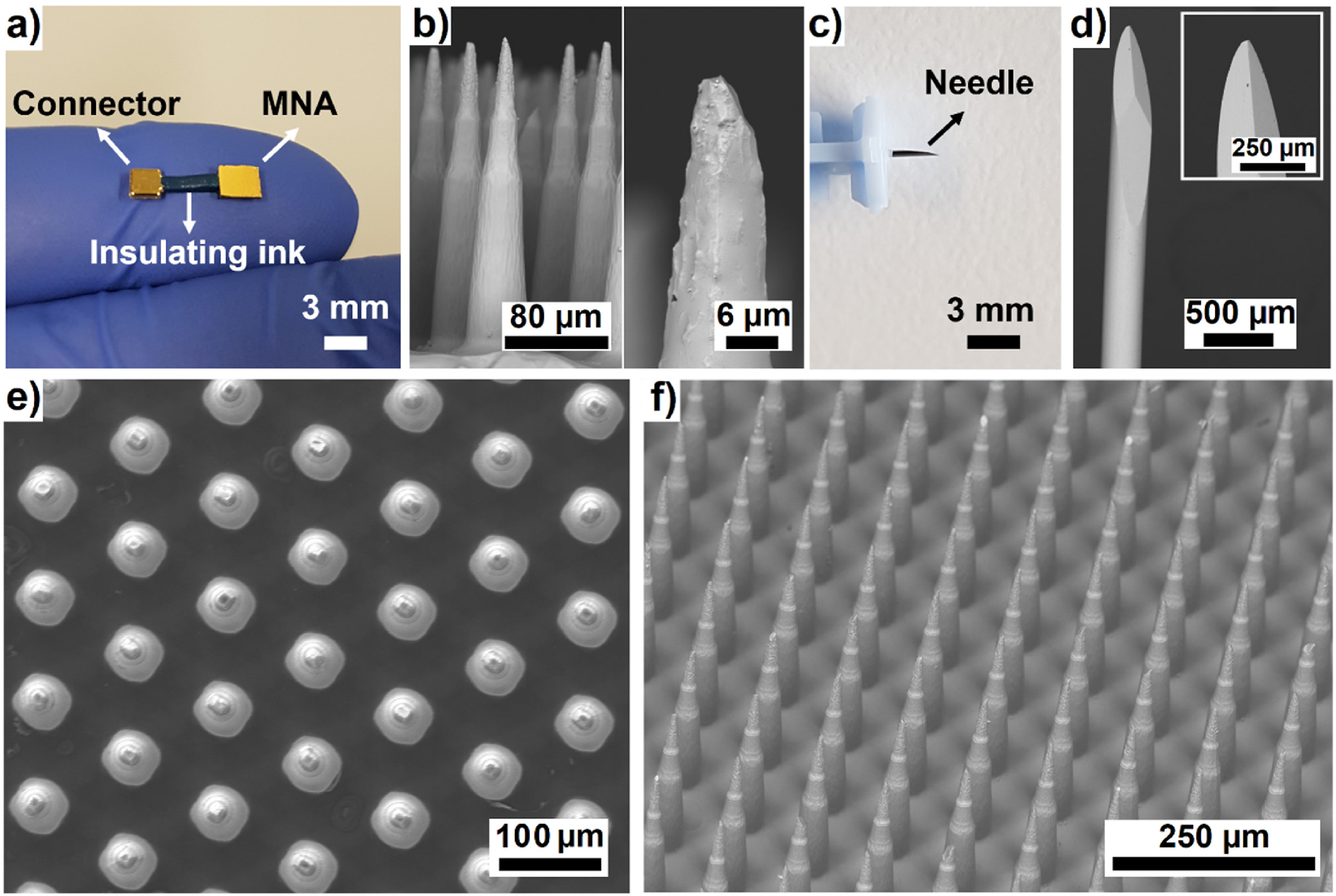
Fig. 2. Results showing how the sensor responded to different insulin concentrations. The graph demonstrates that the sensor’s electrical signal changed as the amount of insulin changed.
This technology could be especially interesting because wearable devices are already being used to continuously monitor glucose. A similar approach for insulin could give researchers another way to study how insulin changes over time.
Limitations:
Although the results are promising, the study has several important limitations. The researchers did not demonstrate that the device can currently monitor insulin in people during normal daily activities. Much of the testing was performed with artificial fluid, mouse skin, or live mice.
A sensor that works in a laboratory or animal model may not work the same way in humans. Human skin and body chemistry are more complex, and factors such as movement, temperature, and other substances in the body could affect the sensor’s accuracy.
The device would also need to be tested to determine whether it is comfortable and reliable when worn for long periods. Most importantly, researchers would need to conduct studies in humans before determining whether the technology could be useful in medical settings.
Measuring insulin would also be only one part of diabetes care. Even if a sensor could provide continuous insulin measurements, doctors and patients would still need to determine how that information should be used when making treatment decisions.
Conclusion
A small patch may eventually provide a new way to measure insulin without repeatedly drawing blood. In this study, researchers developed a wearable microneedle sensor that could detect insulin in the fluid underneath the skin. The sensor worked in laboratory testing and was also tested using mouse skin and live mice.
The technology is still in the research stage, so it is not currently a replacement for standard medical testing. However, the results show that wearable insulin monitoring is a possibility worth studying further.
If future research shows that the sensor can accurately and safely measure insulin in humans, a device as small as a skin patch could give doctors and researchers a new way to understand insulin levels over time. It could also make insulin monitoring more convenient in situations where repeated blood tests are difficult. For now, the study represents an early step toward making continuous insulin monitoring possible.